
Choose a main weapon by its moveset
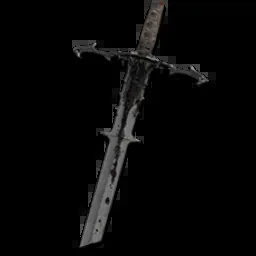
The Iconoclast is the starting longsword. Its value is consistency: it has a familiar balance of reach, speed, and damage without the long commitments of the slowest weapons. It is a sound weapon for learning enemy timing before you start changing a build around a specialty weapon.
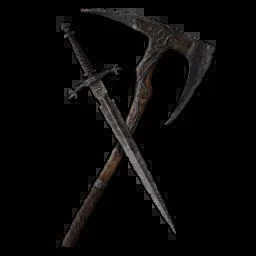
The Axe and Dagger is built around rapid strikes and movement. It suits a player who wants to stay close, create short openings, and use poison rather than trade slow heavy blows. Magdalena's Memento adds a rising spinning attack for crowded fights, while the Serpent Stone adds Poison.
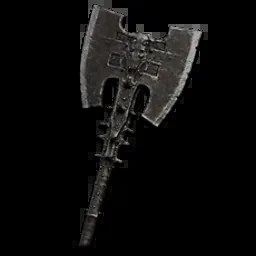
The Veteran's Battle Axe is the heavy choice that still has workable heavy chains. Its damage and jumping heavy attack reward a player who reads openings, but the second light hit is a short poke that takes practice. Burn from the Inflamed Clawstone and the throwable Lost Clotstone give it useful ways to pressure an enemy after a retreat.
Know what the unusual weapons trade away
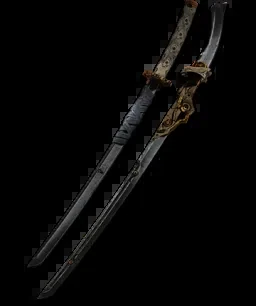
The Axatana changes between katana and axe forms, with a small delay during the switch. Its light form is fast, and its heavier form gives it a different attack profile, so it can cover more situations than a one-mode weapon. The Duality Stone can make each attack hit twice, and the Hexapod Core adds a rapid special attack.
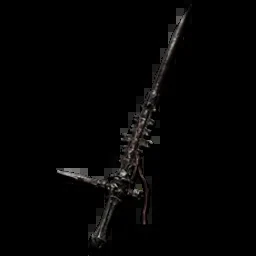
Black Needle is a fast spear whose repeated light thrusts let you work from a safer distance than most melee weapons. Its heavy attack is slower, so its strength comes from steady light pressure rather than trying to force every opening into a heavy swing. Nightgrasp adds Phantom damage and Zealot's Stone supplies a light-combo finisher.
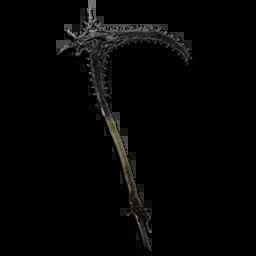
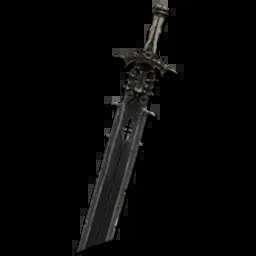
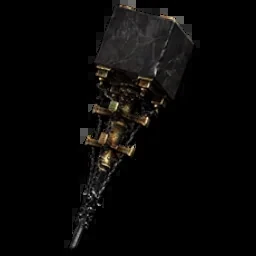
Clockwork Scythe clears groups with wide arcs, but its light attacks, heavy attacks, and running strings all keep you in long animations. Great Martyr's Blade also asks for patience, though its running heavy attack has a strong cleave and some invincibility frames. Obsidian Hammer hits very hard, but its slow recovery makes it a specialist choice against bosses with repeated unblockable strings.
Use sidearms for the job melee cannot do
Caged Hystrix fires rapid rounds and can build chip damage, stagger enemies, and thin incoming groups. The Hag Stone adds Poison, while Splitting Stone increases the number of projectiles without spending Resolve. It is a flexible sidearm for a build that wants regular ranged pressure instead of a single large shot.
Troubadour's Lute does not rely on direct damage. It inflicts confusion and Break damage, which can make a dense pack fight itself while you pick targets off with your main weapon. Enfeebling Stone applies Fragile and Hand of Rock adds burst damage, but the Lute has less value when a lone boss is the only target.
Forgotten Crossbow is a strong general ranged weapon, while Naylshotte and Salvaged Trebuchaxe sit beside it as broadly useful A-tier sidearms. Ballistazooka and Triarch Repeater are more situational. Cursed Child ranks lower in this tier list, so treat it as a weapon to test for its specific effect rather than a default damage pick.
Build around Tarstones instead of chasing a single answer
A weapon rating is an editorial snapshot, not a rule that overrides the moveset you can use cleanly. Axatana leads this main-weapon ranking, with Axe and Dagger, Black Needle, and Veteran's Battle Axe in the next group. Clockwork Scythe, Great Martyr's Blade, and Iconoclast follow, with Obsidian Hammer last because of its speed cost.
The same comparison separated sidearms by role. Caged Hystrix and Troubadour's Lute occupied its top group for rapid pressure and crowd disruption. Forgotten Crossbow, Naylshotte, and Salvaged Trebuchaxe followed, which means a player who needs straightforward ranged support has several usable choices.
Test a weapon against the encounter that is stopping you. Bring wide arcs or confusion to groups, use reach when a close target punishes short weapons, and use a ranged sidearm when a boss leaves only brief melee windows. Tarstones such as Burn, Poison, Frost, Phantom, and utility effects change the result enough that a weapon should be judged with the stones you can actually equip.
For a first complete melee set, Iconoclast is the stable reference point, Axe and Dagger is the fast close option, and Veteran's Battle Axe is the heavy option that still has a usable chain. Black Needle sits between those extremes by giving you reach without a slow swing. Each one asks a different question of the player: can you hold close spacing, can you time heavy recovery, or can you keep the spear point at the right distance?
The sidearm slot should not be filled only when you have no other idea. Caged Hystrix is good at constant pressure, Forgotten Crossbow is dependable from range, and Troubadour's Lute changes the behavior of a crowd. A slow main weapon benefits more from a sidearm that can act during a distant phase than from another slow tool with the same weakness.
Keep at least one familiar weapon equipped while testing a new pickup. A changed moveset, an unfamiliar Tarstone, and a difficult boss at the same time make it impossible to tell what caused the failure. Test the new tool against ordinary enemies first, then take it into a route where its intended role, reach, speed, crowd control, or ranged pressure, has a clear use.
Related videos
Watch the route and combat use
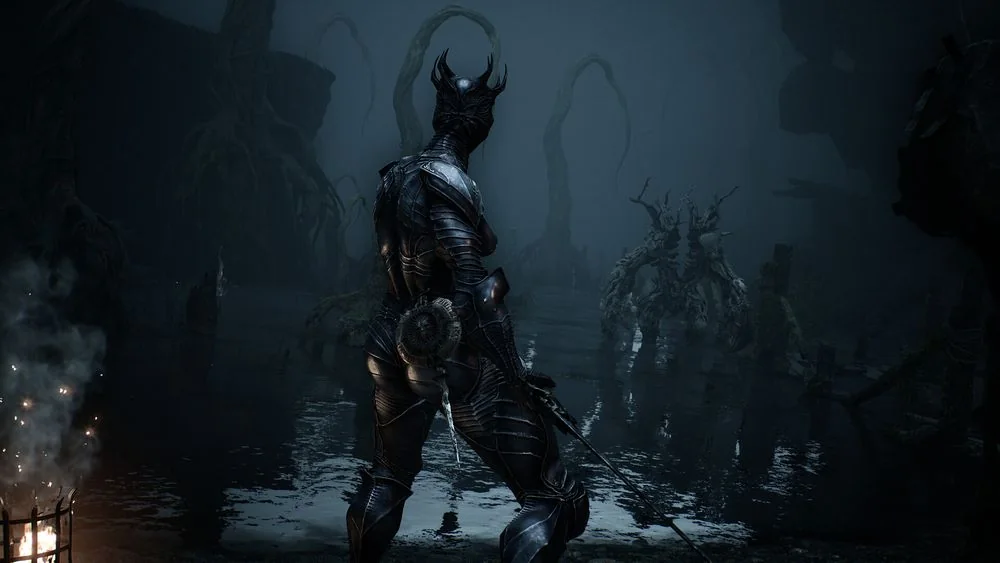
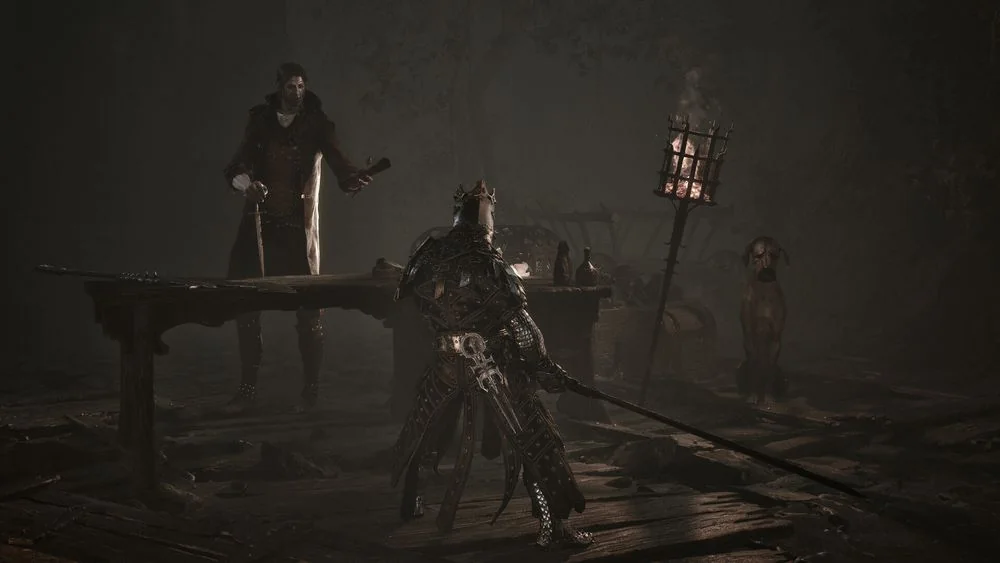
The first guide starts muted in the lower-right corner on desktop. Choose another video to replace it; close the player at any time.